
Freshwater
Atlantic salmon
Salmón del Atlántico
Salmo salar
At a glance
Grilse 3–6 lb; multi-sea-winter salmon 8–20 lb.
2–8 ft in holding pools.
Early morning and evening, when the light is off the water.
4 areas
Know it
Spot it, size it up and learn its habits.
- Identification
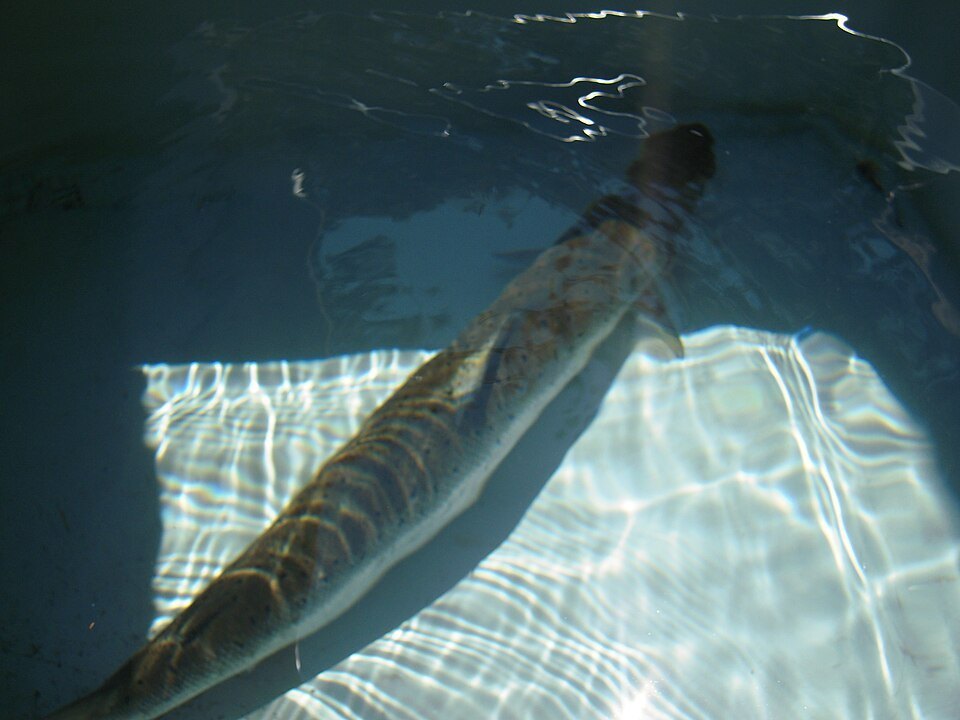
Bright silver salmon fresh from the sea, with black X-shaped spots above the lateral line, few or no spots on the tail, and a slim 'wrist' just ahead of the tail that you can grip. Small one-sea-winter fish are called grilse.
- Typical size
Grilse 3–6 lb; multi-sea-winter salmon 8–20 lb.
- Maximum size
About 5 ft and over 70 lb (rare today).
- Diet
Capelin, herring, sand lance and krill at sea; once in the river they hardly feed, but still strike a fly.
- Behavior
Born in rivers, grows up in the North Atlantic, and returns to its home river; unlike Pacific salmon, many survive spawning and come back again.
Find it
Where, when and how deep to look.
- Where to find it
Found from Quebec, Nova Scotia, New Brunswick & PEI, Newfoundland & Gaspé and Hudson Bay & Labrador. Rivers of Quebec's Gaspé Peninsula and North Shore, New Brunswick's Miramichi and Restigouche, Newfoundland, Labrador and Ungava Bay.
- Habitat
Rivers of Quebec's Gaspé Peninsula and North Shore, New Brunswick's Miramichi and Restigouche, Newfoundland, Labrador and Ungava Bay.
- Depth
2–8 ft in holding pools.
- Fishing depth
2–8 ft in holding pools.
- Best season
June through September, depending on the river's run.
- Best time
Early morning and evening, when the light is off the water.
- Best tides
On tidal rivers, fresh fish come in on the high tide.
- Best weather / conditions
A small rise in water after rain brings fish up the river; low, warm water shuts the fishing down.
Bait & gear
What to tie on and what to throw.
- Best bait
Not allowed: salmon rivers are fly fishing only.
- Best artificial lures
Classic wet flies and hair-wing flies (Green Highlander, Blue Charm, Cascade), bombers and riffling hitches on the surface.
- Tackle setup
9–13 ft 7–9 weight single-hand or two-hand fly rod.
- Hook size
Single or double salmon fly hooks, size 2–10; barbless where required.
- Line
Floating fly line most of the time; sink tips in high water.
- Leader
10–15 lb tippet, 9–12 ft.
BigJoe's setup for Atlantic salmon
The rod, reel, line and lures BigJoe would use.
As an Amazon Associate, BigJoe earns from qualifying purchases. It costs you nothing extra and helps keep this guide free.
Catch it
Step by step, from first cast to landing.
Step-by-step: how to catch it
- Go where it lives: Rivers of Quebec's Gaspé Peninsula and North Shore, New Brunswick's Miramichi and Restigouche, Newfoundland, Labrador and Ungava Bay.
- Rig up: 9–13 ft 7–9 weight single-hand or two-hand fly rod. 10–15 lb tippet, 9–12 ft.
- Pick your bait: Not allowed: salmon rivers are fly fishing only. Lures: Classic wet flies and hair-wing flies (Green Highlander, Blue Charm, Cascade), bombers and riffling hitches on the surface.
- Fish it: Cast down and across the pool, mend, and let the fly swing slowly across the current; take two steps and repeat until you've covered the pool. When a fish takes, don't strike — let it turn and tighten.
- Time it: Early morning and evening, when the light is off the water. On tidal rivers, fresh fish come in on the high tide.
- Fishing techniques
Cast down and across the pool, mend, and let the fly swing slowly across the current; take two steps and repeat until you've covered the pool. When a fish takes, don't strike — let it turn and tighten.
- BigJoe's tip
Atlantic salmon fishing is about patience: it can take a hundred casts, or a few days, for one fish. When one rises to your fly and misses, rest it for a minute and show it the fly again.
- Catch and release
Catch and release: wet your hands, keep the fish in the water when you can, and release it quickly. Use circle hooks and a dehooker.
Clean & cook
Is it good to eat, and how to prepare it.
- Edibility
Usually released — a sport fish more than a food fish.
- Cooking suggestions
Rich and delicious, but nearly all wild Atlantic salmon are released; only some rivers allow you to keep a tagged grilse.
Stay safe & legal
Safety, rules and taking care of the fishery.
- Safety warnings
Slippery, fast rivers — use a wading staff and studded boots. In warm water (over about 68°F / 20°C), many rivers close to protect the fish.
- Regulations
Each province sets its own salmon rules, and many rivers allow only hook-and-release of large salmon. Never fish when rivers are closed for warm water. Atlantic salmon rules are strict: fly fishing only on salmon rivers, a salmon license and tags in each province, day passes on many Quebec rivers, and nonresidents must hire a licensed guide in several provinces. Many rivers are hook-and-release only.
- Conservation
Wild Atlantic salmon have declined across their range. Keep big fish in the water, support them by the tail wrist, and release them facing the current.
Where it's found
Tap an area to open its fishing map.