
FIND THE RIGHT BAIT FAST
Bait & Lures
Tell us where you fish and what you want to catch. We will show you the lures and baits that work, how to fish them, and the rig to pair them with.
🎣 BigJoe shops at Amazon. Every pick has a button for each store, so buy wherever you like.
Help me pick
1. Where are you fishing?
2. What do you want to catch?
Pick a place to start.
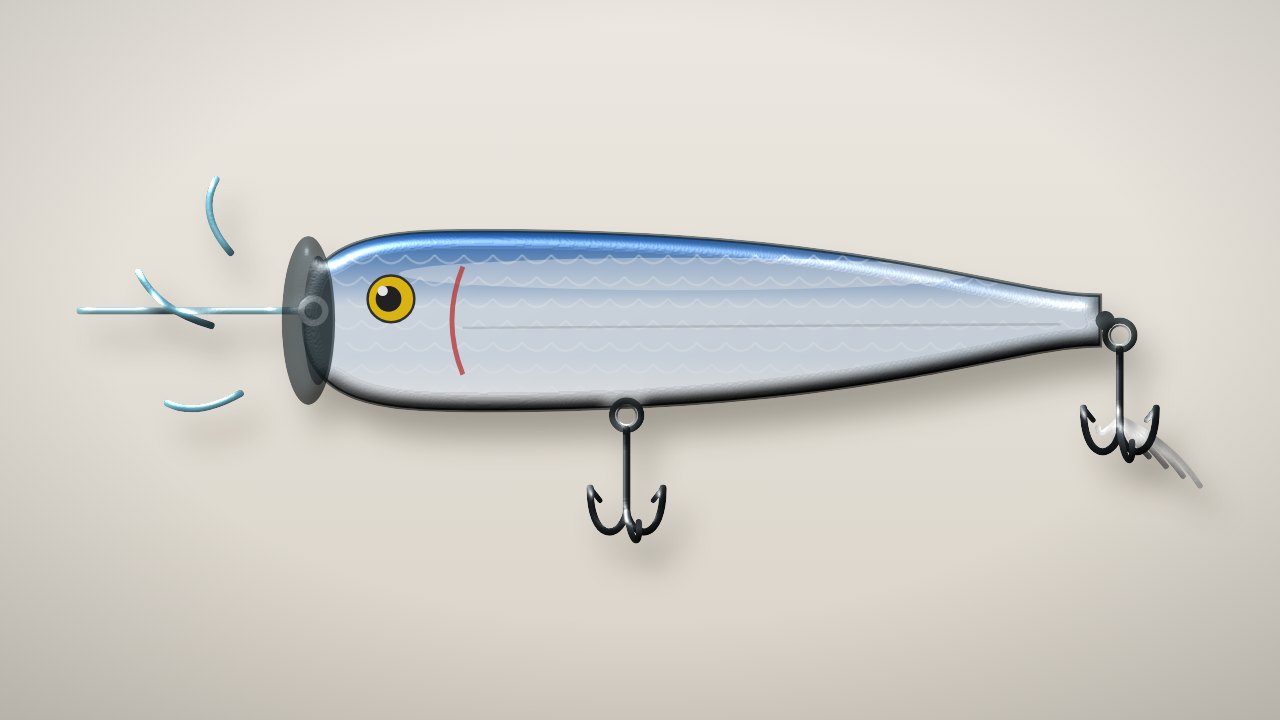 50 luresSaltwater LuresHard baits, jigs, spoons, soft plastics and offshore trolling lures for Caribbean salt water.Open →
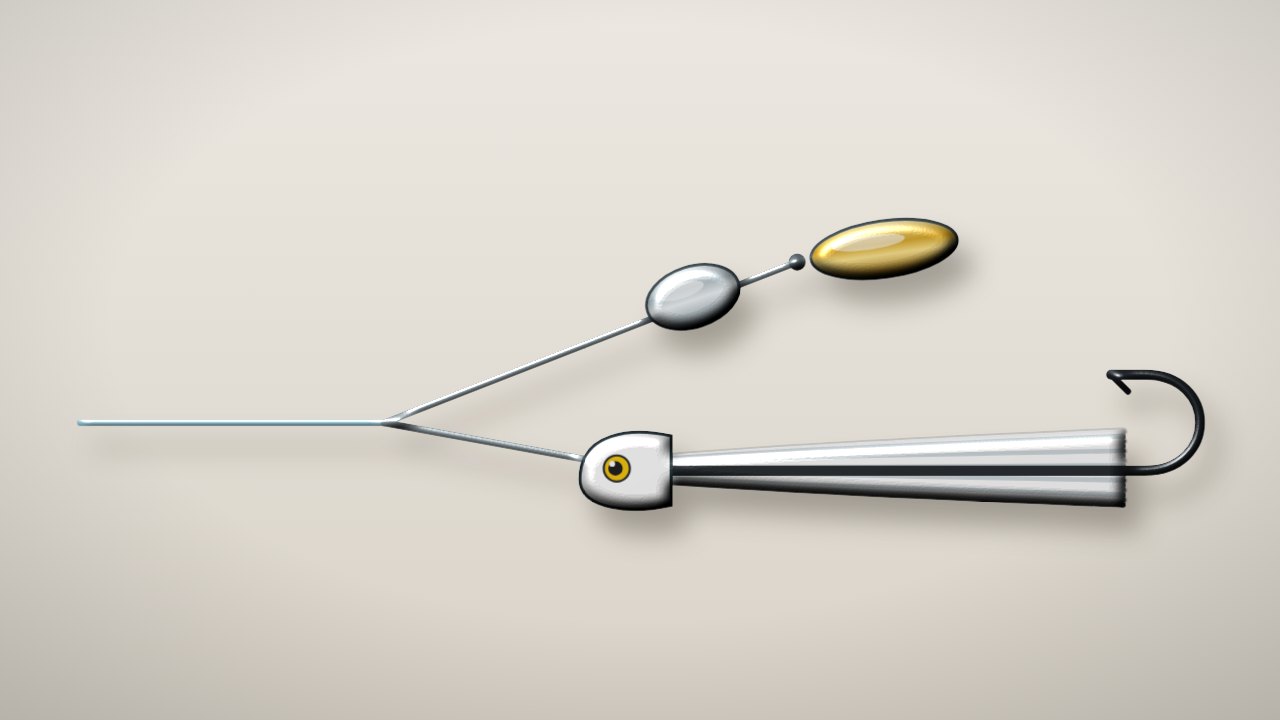 22 luresFreshwater LuresTopwater, soft plastics, moving baits and jigs for Puerto Rico reservoirs, lakes and rivers.Open →
 17 baitsLive & Natural BaitHow to catch, keep and hook the live and natural baits that catch the most fish.Open →
Not sure where to start?
These five lures catch fish almost everywhere in the Caribbean.
Photo coming soon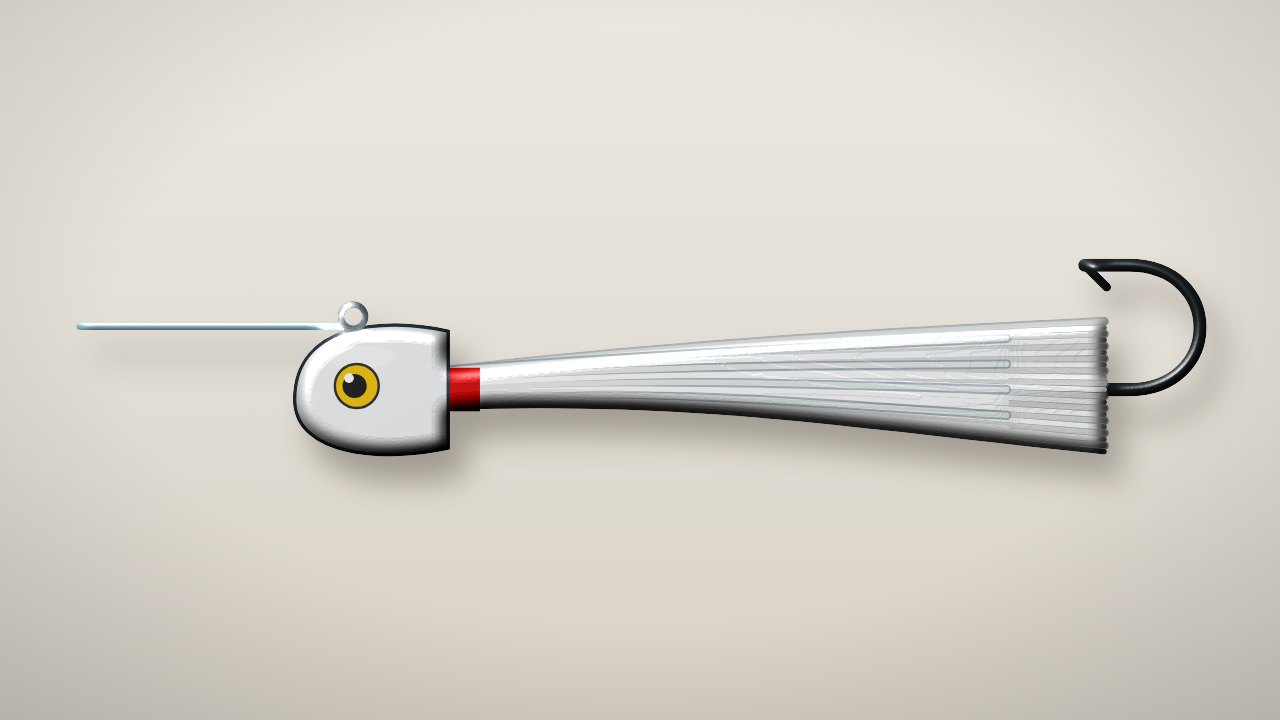 Bucktail JigMid-water to bottom · Hop & dartPhoto coming soon
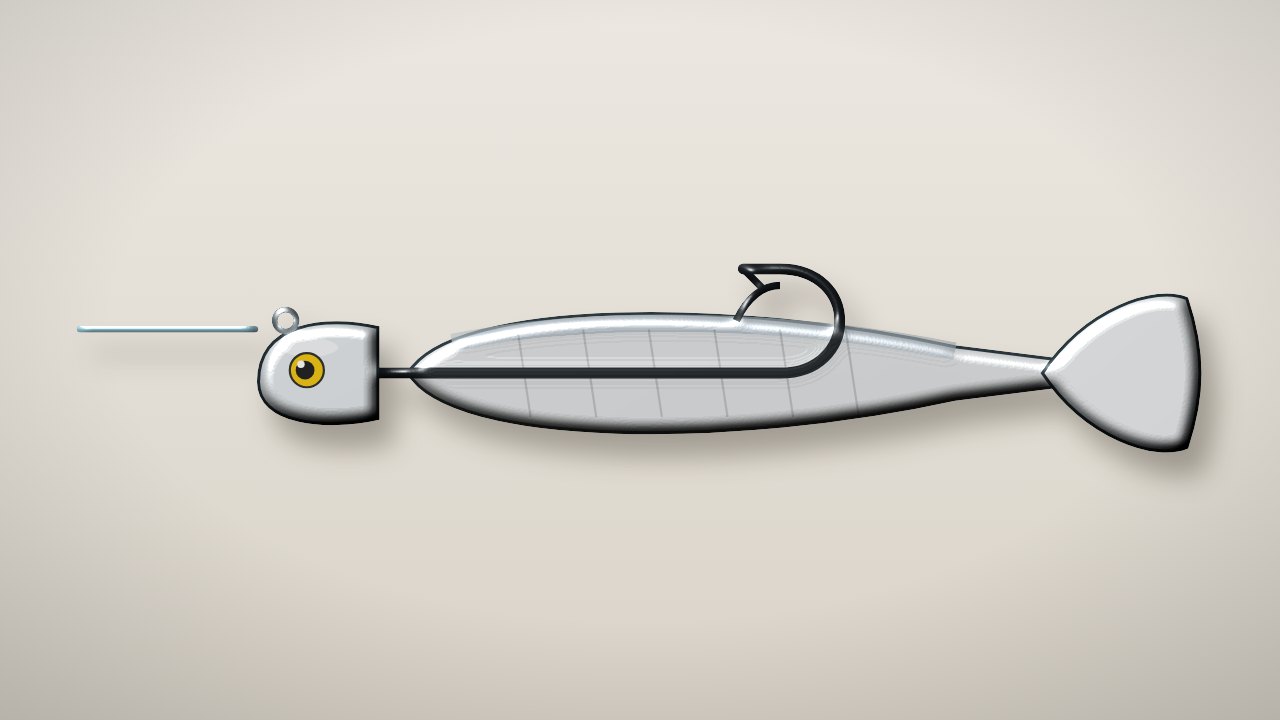 Paddletail SwimbaitSubsurface to mid-depth · Tail kick, steady swimPhoto coming soonChugger PopperSurface · Splash & popPhoto coming soon
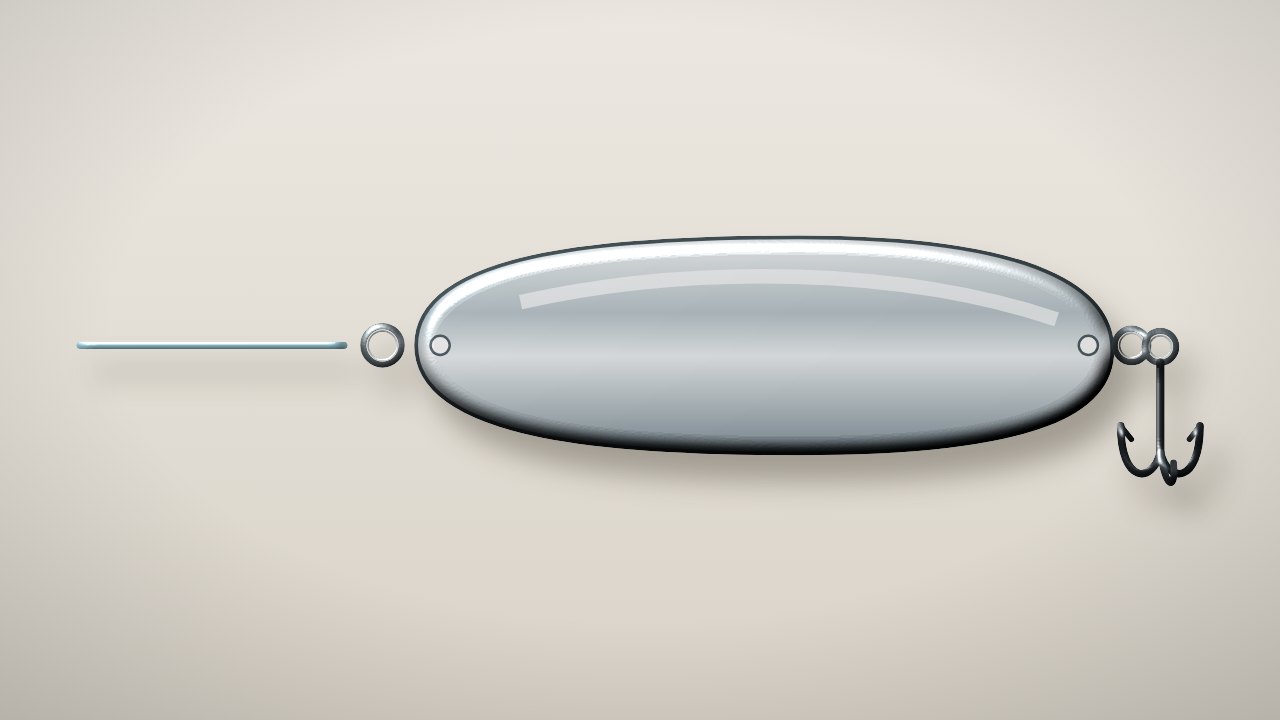 Casting SpoonSurface to mid-water · Flash & wobblePhoto coming soon
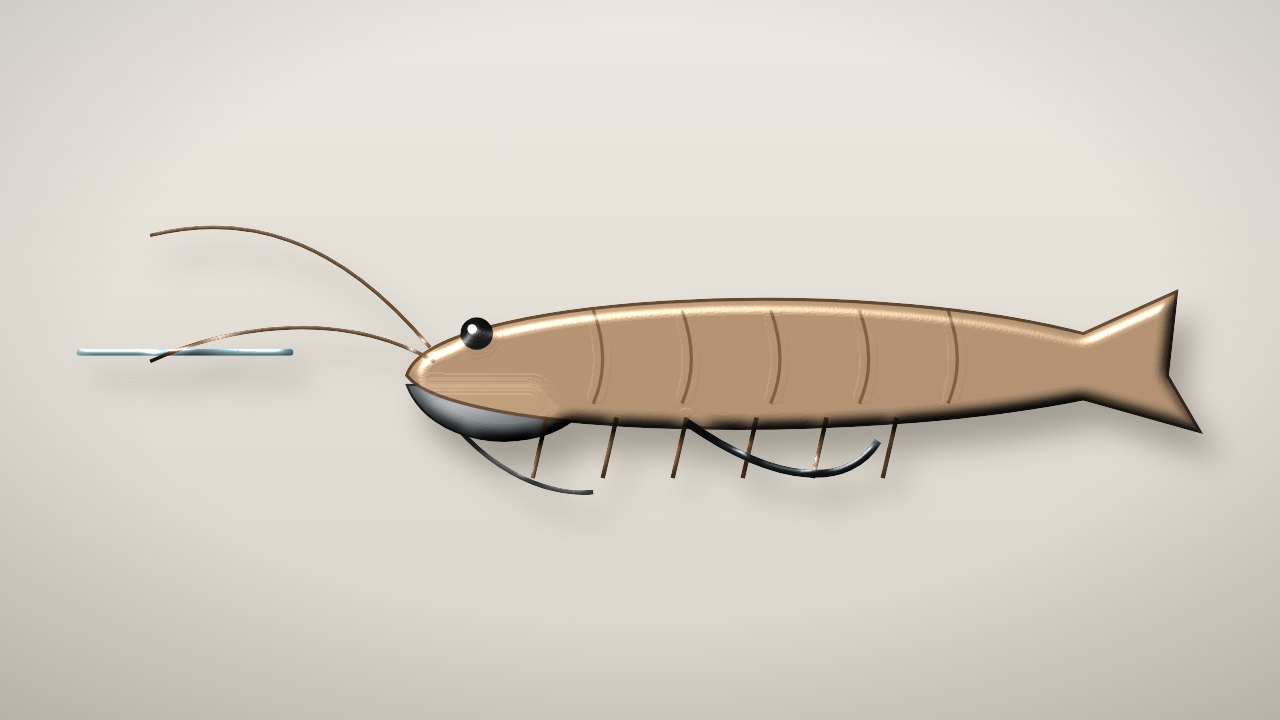 Artificial ShrimpMid-depth to near bottom · Slow hop & fall
Bucktail JigMid-water to bottom · Hop & dartPhoto coming soonPaddletail SwimbaitSubsurface to mid-depth · Tail kick, steady swimPhoto coming soonChugger PopperSurface · Splash & popPhoto coming soonCasting SpoonSurface to mid-water · Flash & wobblePhoto coming soonArtificial ShrimpMid-depth to near bottom · Slow hop & fall★ Hall of Fame
The legends every angler should know.
Photo coming soon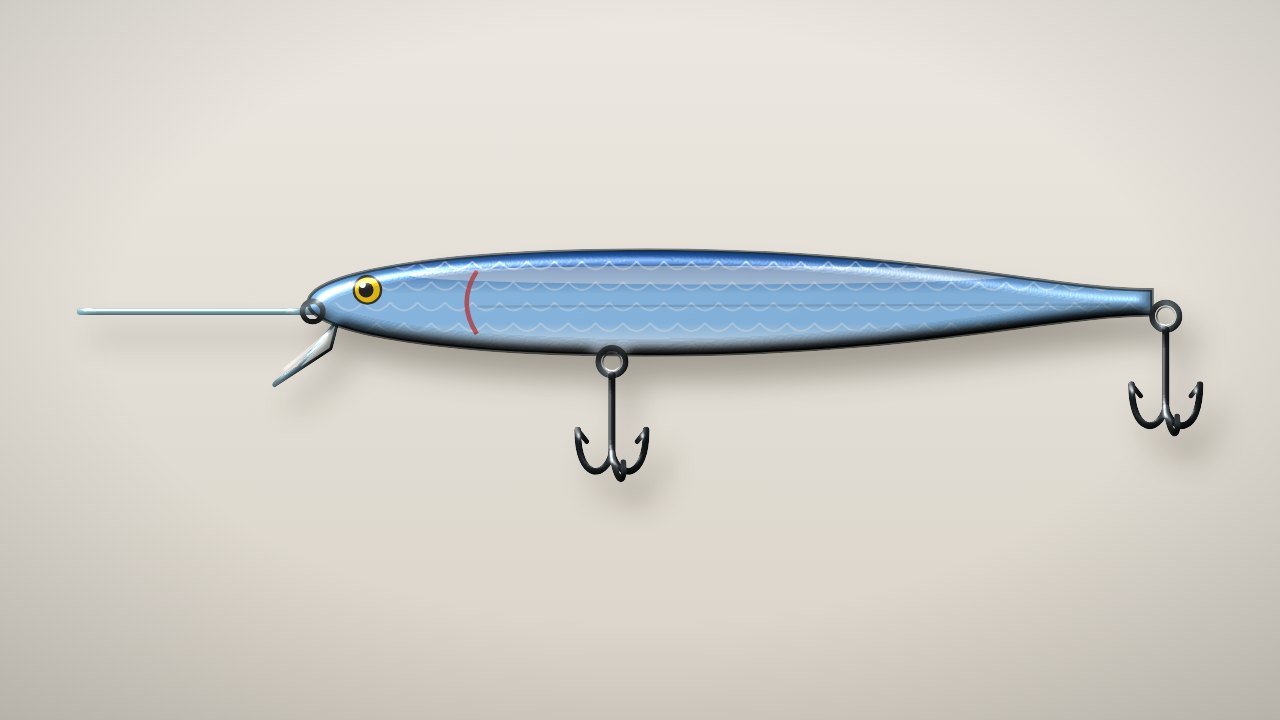 Bomber Long AJust under the surface · Tight wobblePhoto coming soon
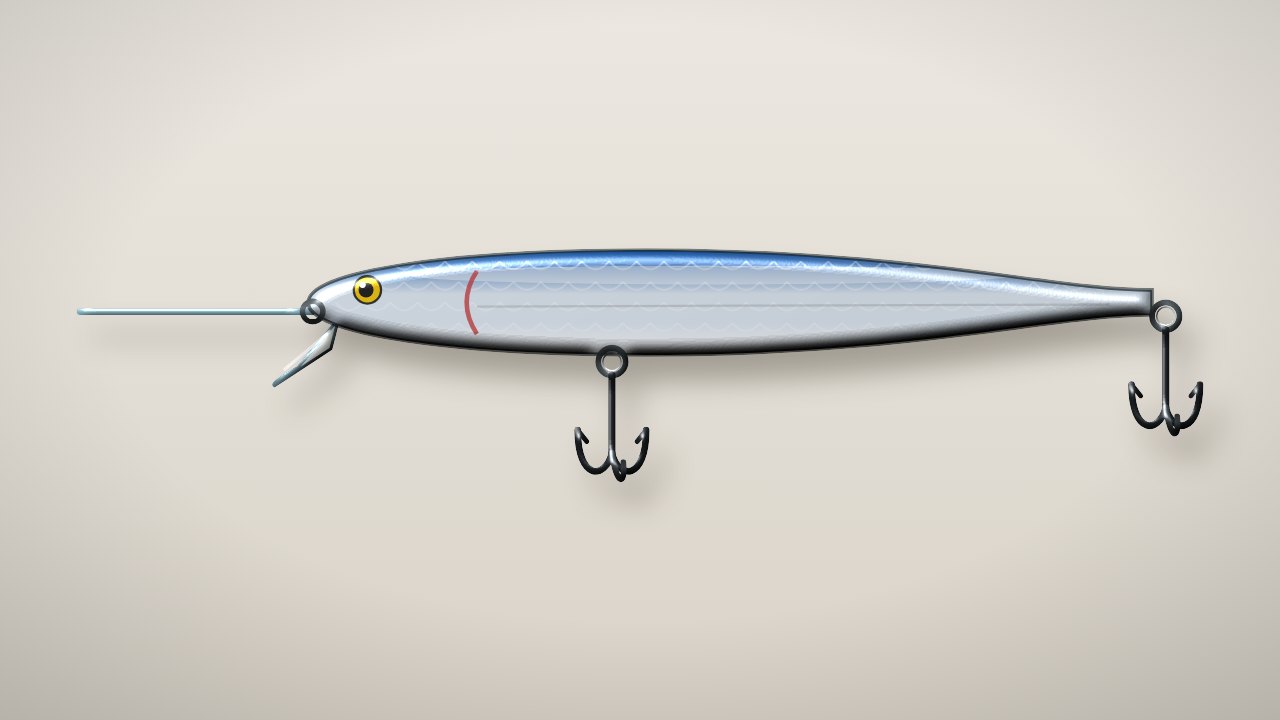 Daiwa SP MinnowJust under the surface · Wide wobble, darts on twitchPhoto coming soon
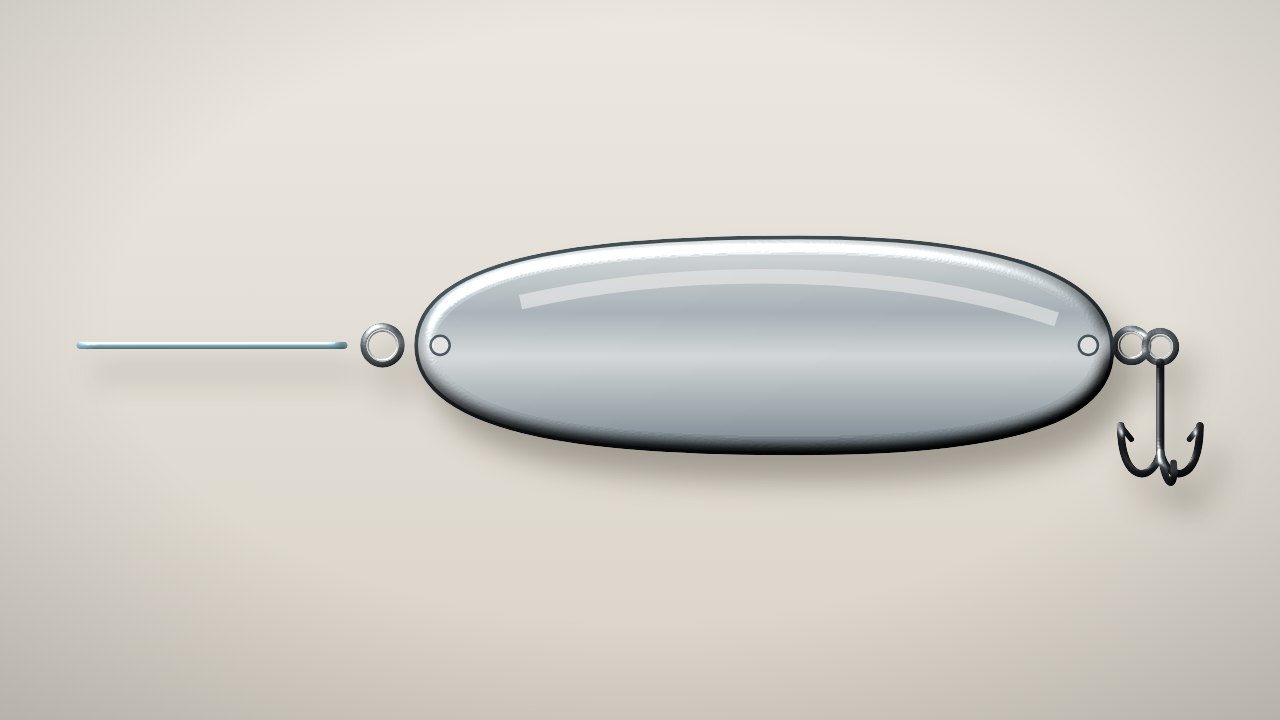 Acme KastmasterSurface to bottom · Fast flash and wobblePhoto coming soon
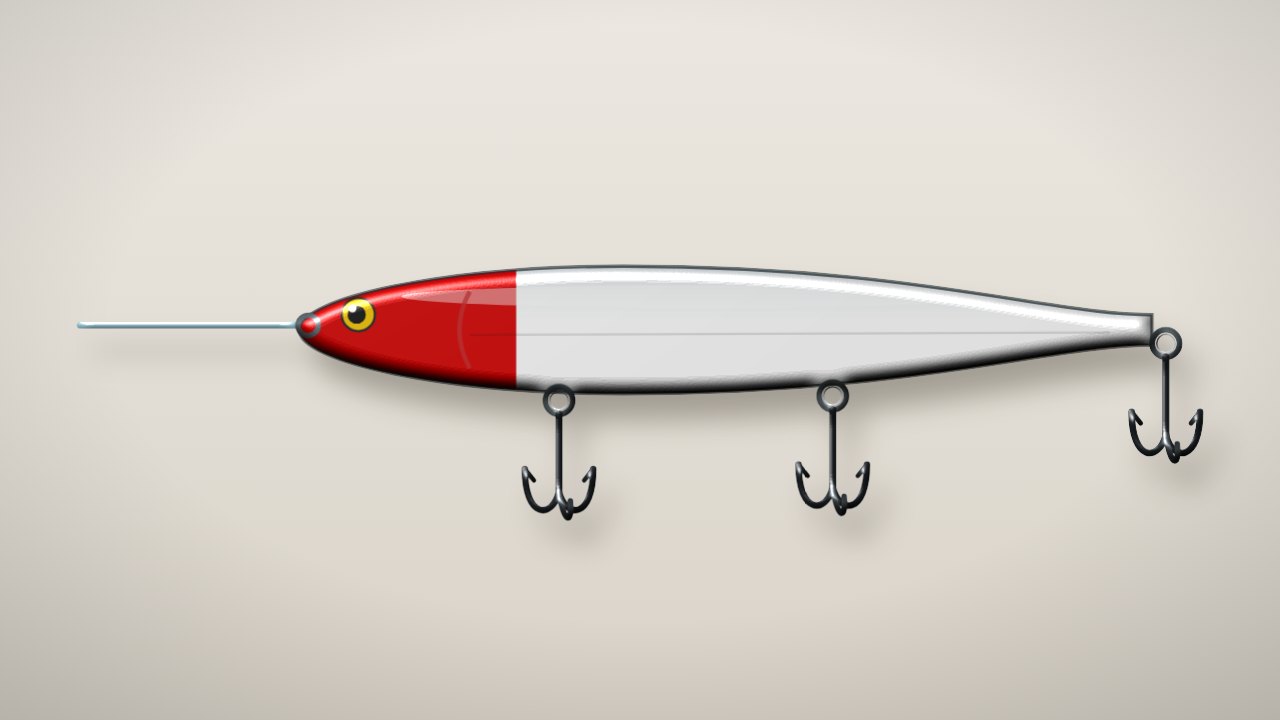 MirrOlure 52M & 17MR MirrOdineMid-depth, shallow water · Side-to-side dartPhoto coming soon
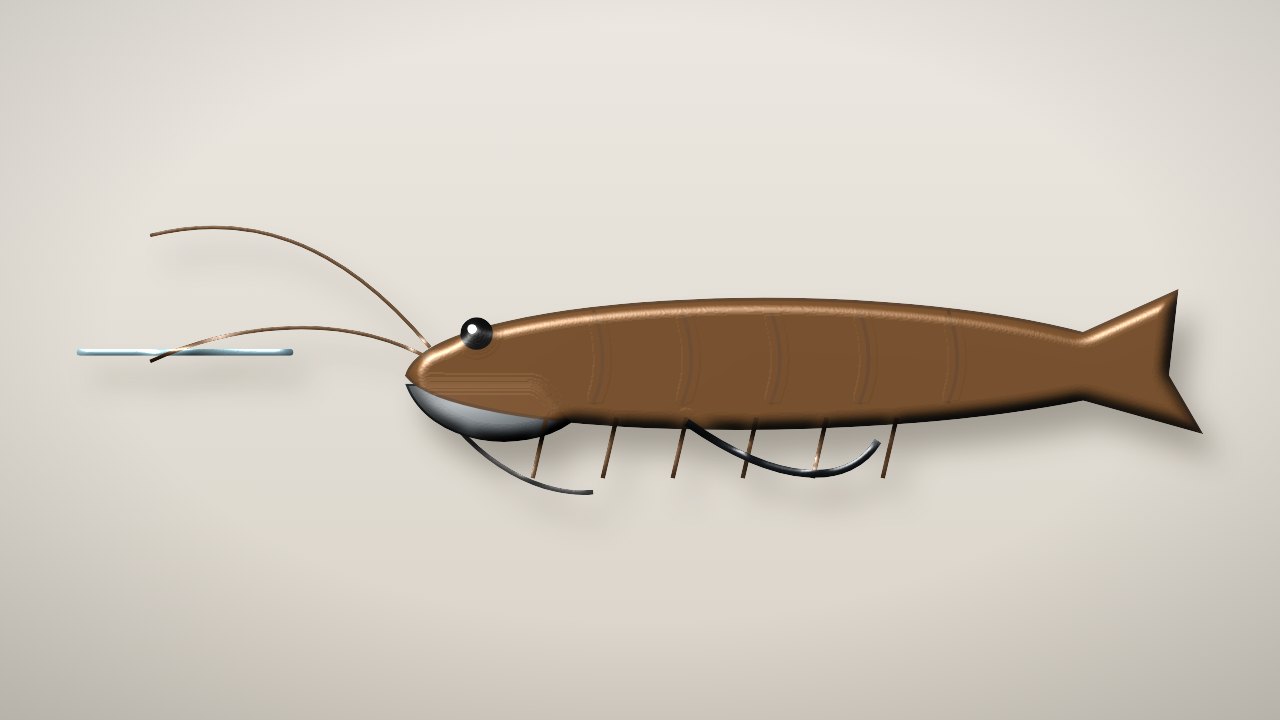 D.O.A. ShrimpMid-depth to bottom · Slow natural fallPhoto coming soon
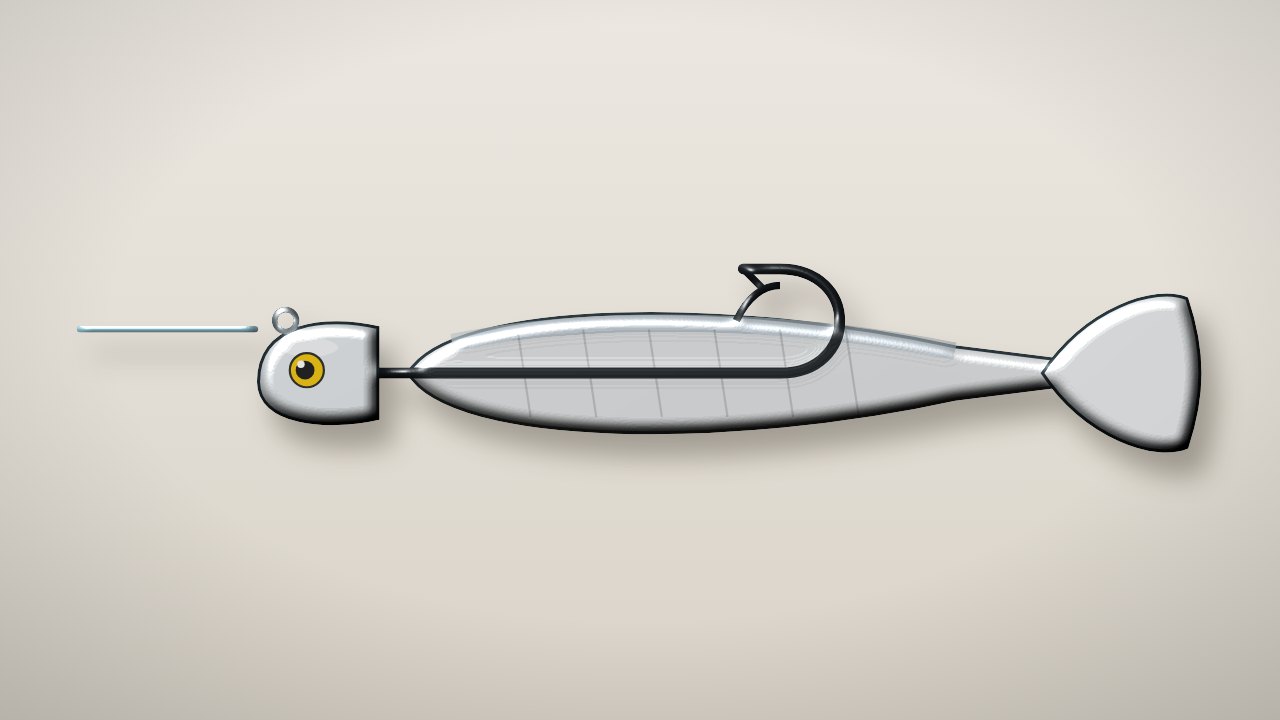 Gulp! Swimming MulletMid-depth to bottom · Tail kickPhoto coming soon
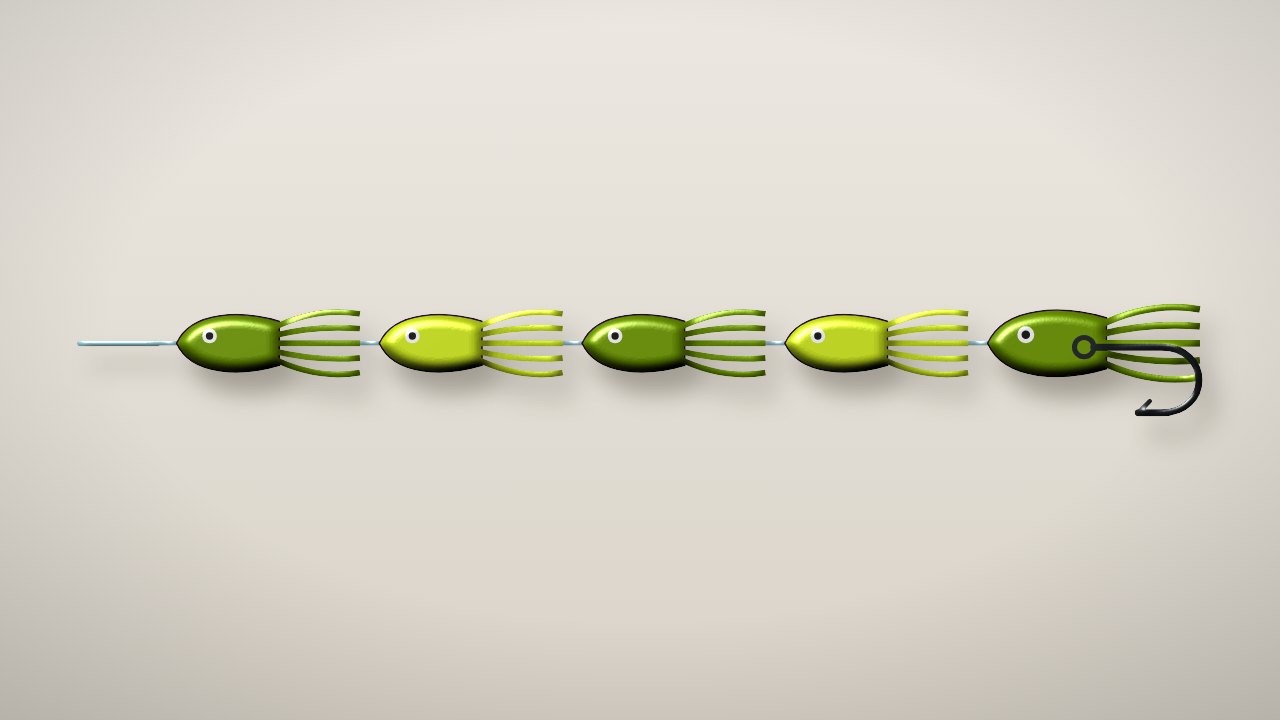 Green MachineTrolled at the surface · Splashing bait schoolPhoto coming soon
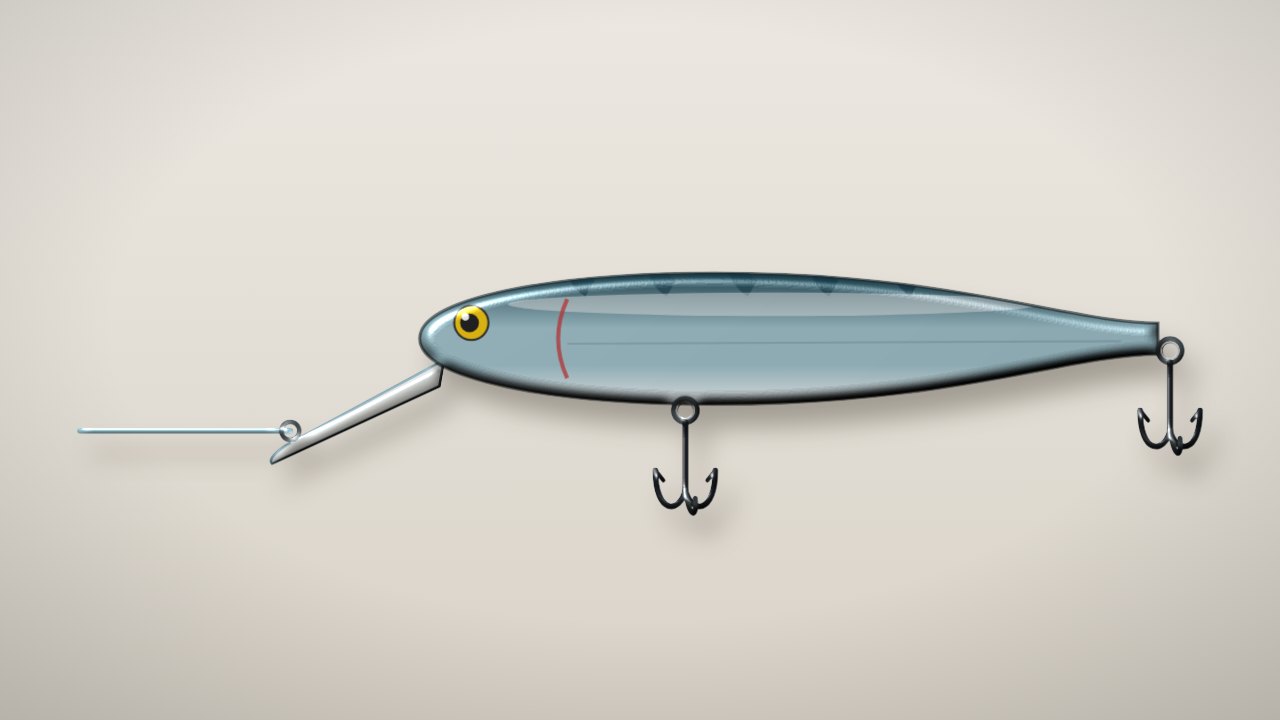 Rapala CD Magnum & X-Rap MagnumTrolled below the surface · Hard, tight wobblePhoto coming soon
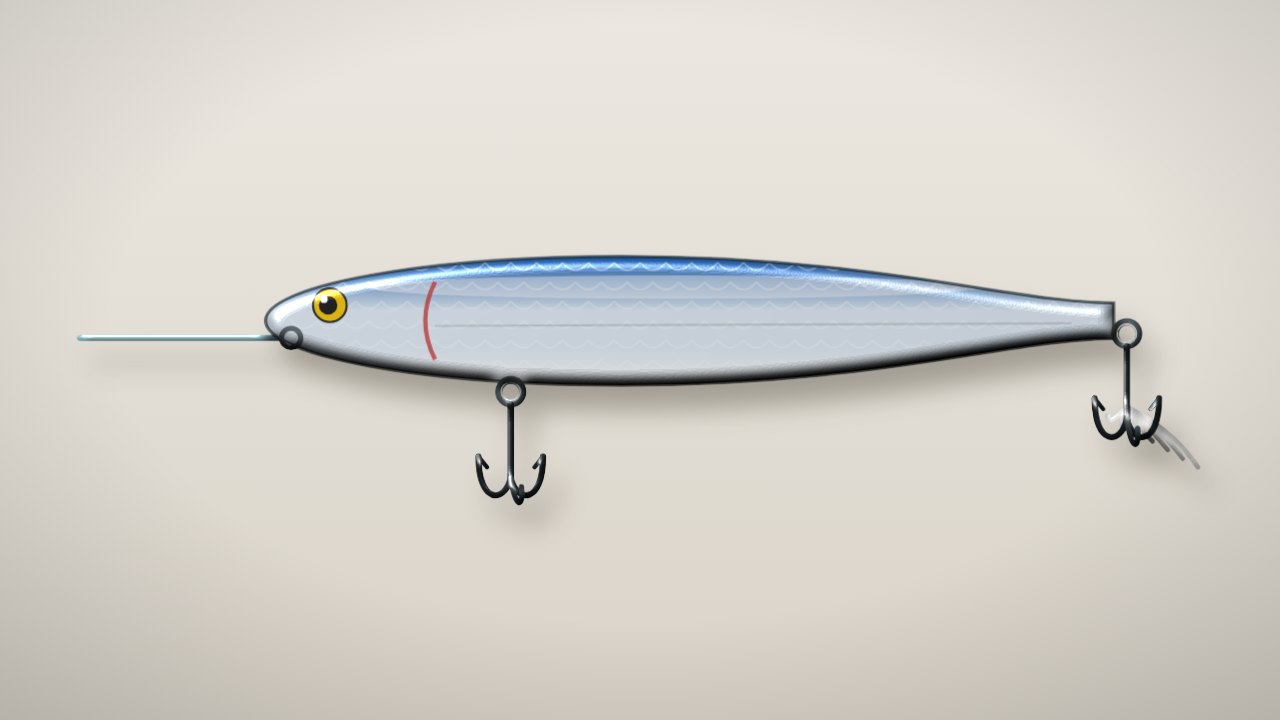 Heddon Zara SpookSurface · Zig-zag walkPhoto coming soon
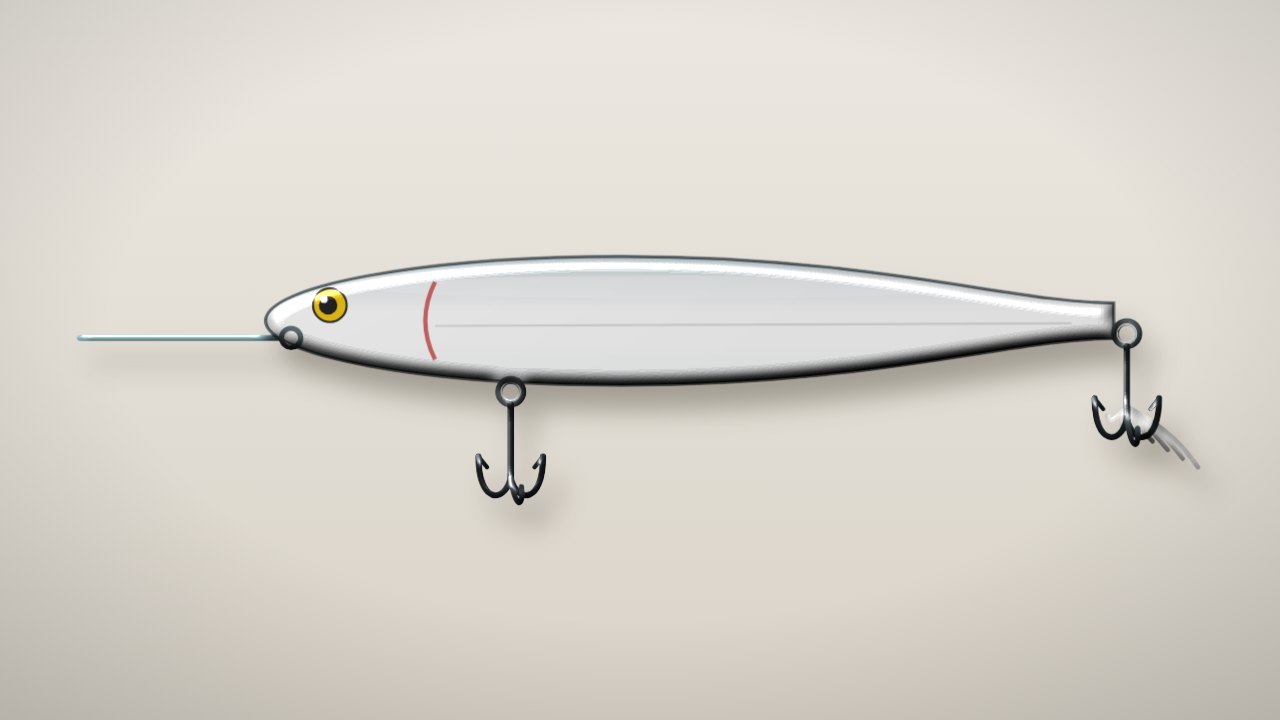 The DocSurface · Wide, slow walkPhoto coming soon
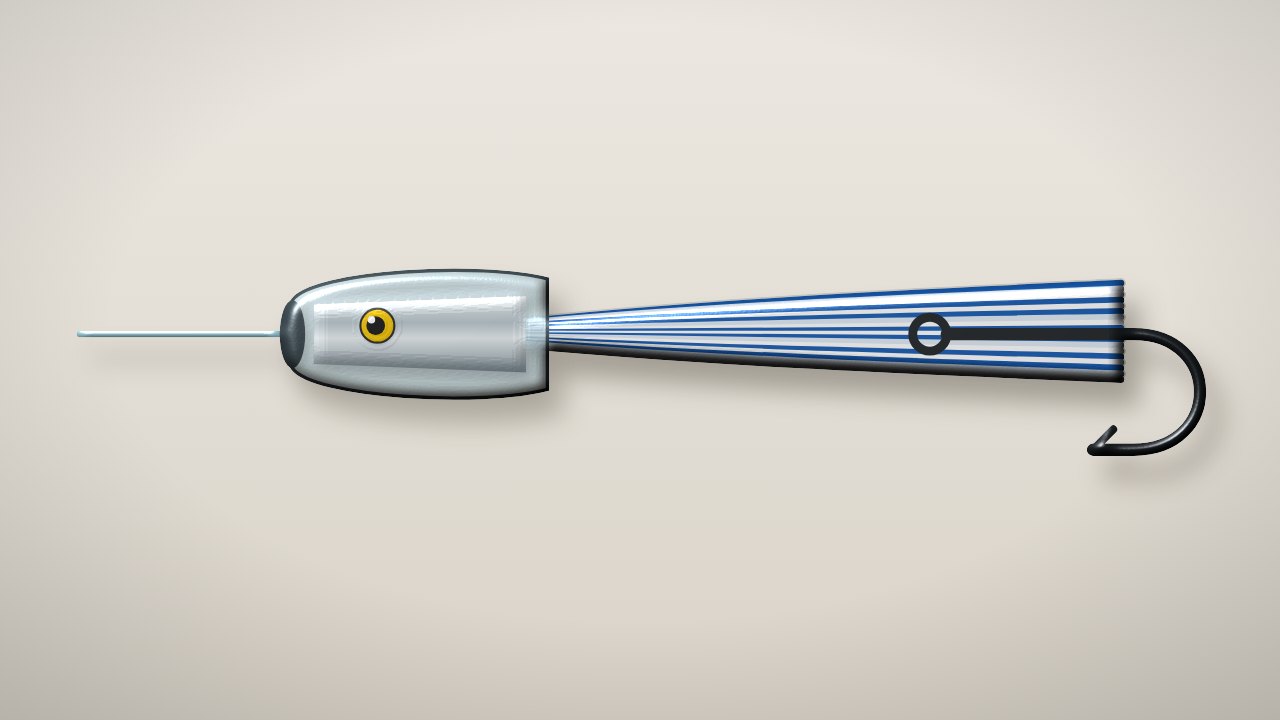 IlanderTrolled at the surface · Swimming bait with bubble trail
Bomber Long AJust under the surface · Tight wobblePhoto coming soonDaiwa SP MinnowJust under the surface · Wide wobble, darts on twitchPhoto coming soonAcme KastmasterSurface to bottom · Fast flash and wobblePhoto coming soonMirrOlure 52M & 17MR MirrOdineMid-depth, shallow water · Side-to-side dartPhoto coming soonD.O.A. ShrimpMid-depth to bottom · Slow natural fallPhoto coming soonGulp! Swimming MulletMid-depth to bottom · Tail kickPhoto coming soonGreen MachineTrolled at the surface · Splashing bait schoolPhoto coming soonRapala CD Magnum & X-Rap MagnumTrolled below the surface · Hard, tight wobblePhoto coming soonHeddon Zara SpookSurface · Zig-zag walkPhoto coming soonThe DocSurface · Wide, slow walkPhoto coming soonIlanderTrolled at the surface · Swimming bait with bubble trailAlso on this site: