← Bait & Lures LIVE & NATURAL BAIT
Live & Natural Bait How to catch, keep and hook the live and natural baits that catch the most fish.
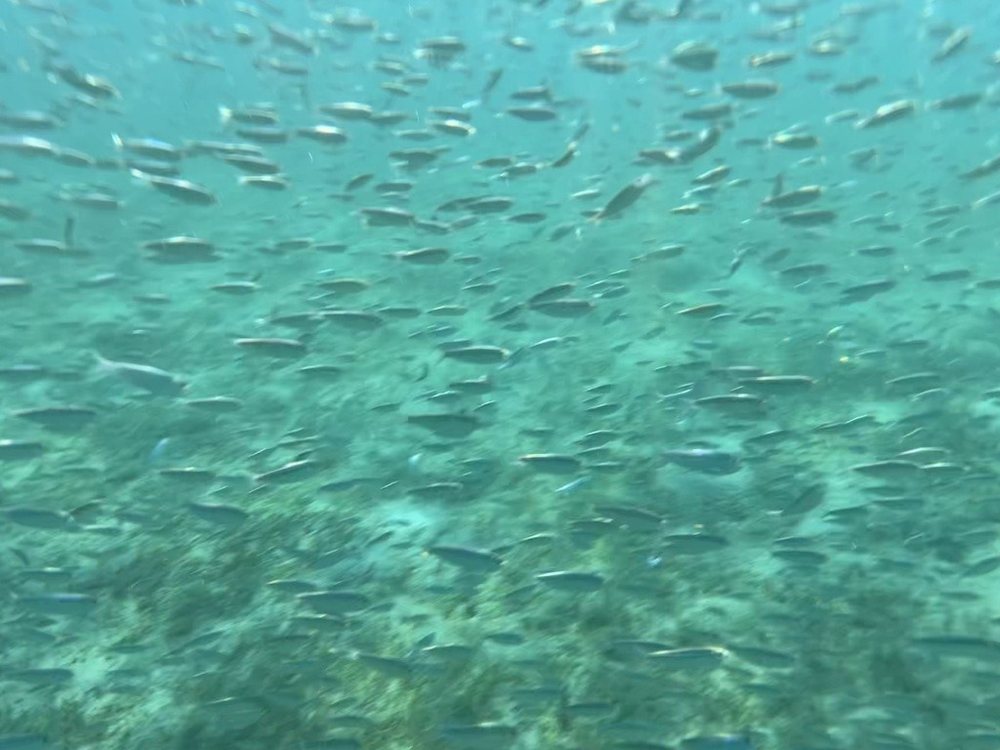
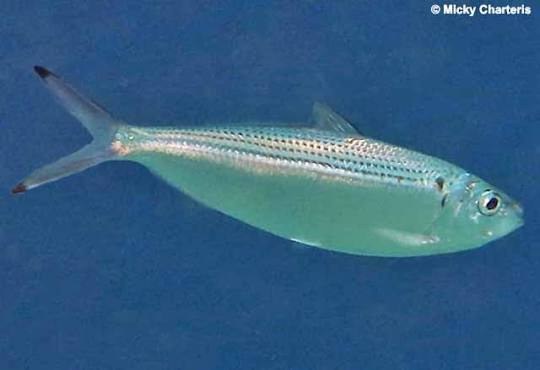
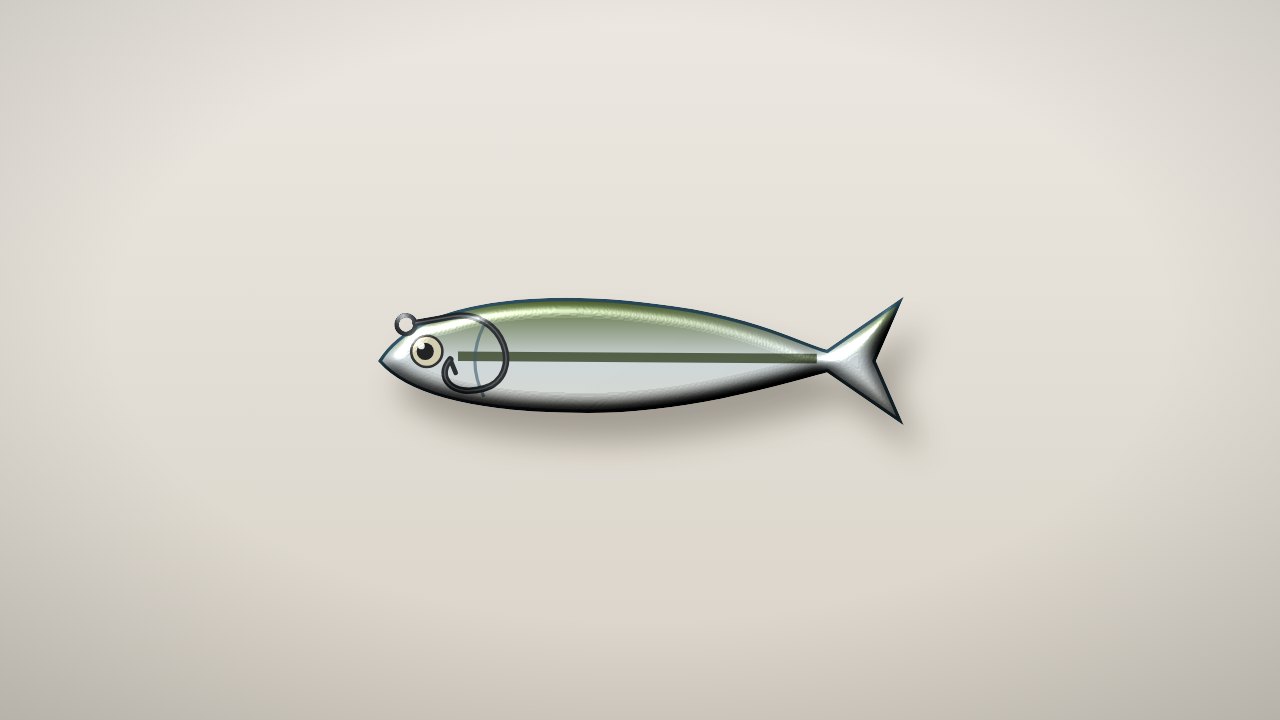
Saltwater live bait Saltwater natural & rigged bait Freshwater bait Saltwater Lures → Saltwater live bait 8 baits Photo coming soon Sardine / Pilchard Small, shiny schooling baitfish that nearly every predator in the Caribbean eats, live or as fresh dead bait.
How to get it Catch them with a sabiki over grass beds, around piers and harbor lights, or with a cast net where legal; you can also buy them frozen at bait shops. Keep it fresh Keep them in a round livewell or bucket with strong aeration or fresh flowing seawater, and don't overcrowd. Dead ones go straight on ice. How to hook it Hook through both lips (front to back) or lightly through the back in front of the dorsal fin, with a light-wire 1/0-4/0 circle hook. Catches King mackerel , Blackfin tuna , Mahi-mahi , Cero , Little tunny , Great barracuda , Common snook Rigs Freeline Rig , Balloon Rig , Fish Finder Rig , Sabiki Bait Rig 💡 Toss a few live sardines out as chum; when the fish start busting them, put your hooked bait right in the middle.
Photo coming soon Thread Herring A larger, oily herring with a long thread-like dorsal ray, prime live bait for kingfish, snook and tarpon.
How to get it Catch them on a sabiki around buoys, harbor channels and nearshore schools, or with a cast net where legal; frozen ones are sold at some bait shops. Keep it fresh They are delicate and need lots of clean, oxygenated water; a round livewell with good flow works best. Use them fresh. How to hook it Nose-hook through the upper jaw or bridle them for slow trolling; use a 2/0-5/0 circle hook, or a stinger treble for kingfish. Catches King mackerel , Common snook , Atlantic tarpon , Blackfin tuna , Cero , Little tunny Rigs Freeline Rig , Balloon Rig , Fish Finder Rig , Wire Leader Rig , Sabiki Bait Rig 💡 Change baits often; a fresh, lively machuelo gets bit far more than a tired one.
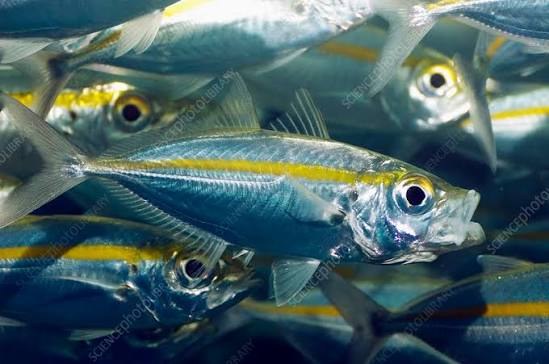
Photo coming soon Goggle-eye (Bigeye Scad) A tough, big-eyed scad that stays lively on the hook, a premium live bait for tuna, dorado, kingfish and big reef fish.
How to get it Usually caught at night on a sabiki under lights over reef edges and harbor areas; some areas sell them live. Keep it fresh A round livewell with steady flow keeps them going for days; don't overcrowd and avoid handling them more than needed. How to hook it Hook through the nose or lightly behind the dorsal fin with a 3/0-6/0 circle hook; bridle them for kite or slow-troll fishing. Catches Blackfin tuna , Yellowfin tuna , Mahi-mahi , King mackerel , Wahoo , Cubera snapper , Black grouper Rigs Freeline Rig , Balloon Rig , Fish Finder Rig , Sabiki Bait Rig 💡 Catch your chicharros the night before, and you will hit the water at sunrise with the best bait around.
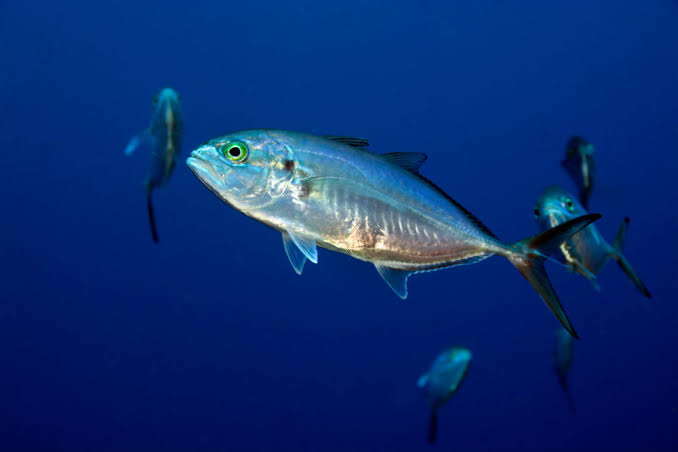
Photo coming soon Blue Runner A hardy jack that swims hard on the hook for hours, one of the best live baits for big kingfish, wahoo, amberjack and marlin.
How to get it Catch them on a sabiki or small jigs around buoys, reef edges, piers and channel markers. Keep it fresh They survive well in a livewell or bait tube with good water flow; small ones are easiest to keep alive. How to hook it Bridle or hook through the nose with a 5/0-8/0 circle hook; add a wire stinger with a treble for kingfish and wahoo. Catches King mackerel , Wahoo , Greater amberjack , Great barracuda , Cubera snapper , Blue marlin Rigs Balloon Rig , Wire Leader Rig , Freeline Rig , Sabiki Bait Rig 💡 Slow-troll a cojinúa along a reef drop-off at idle speed; a big kingfish will often skyrocket on it.
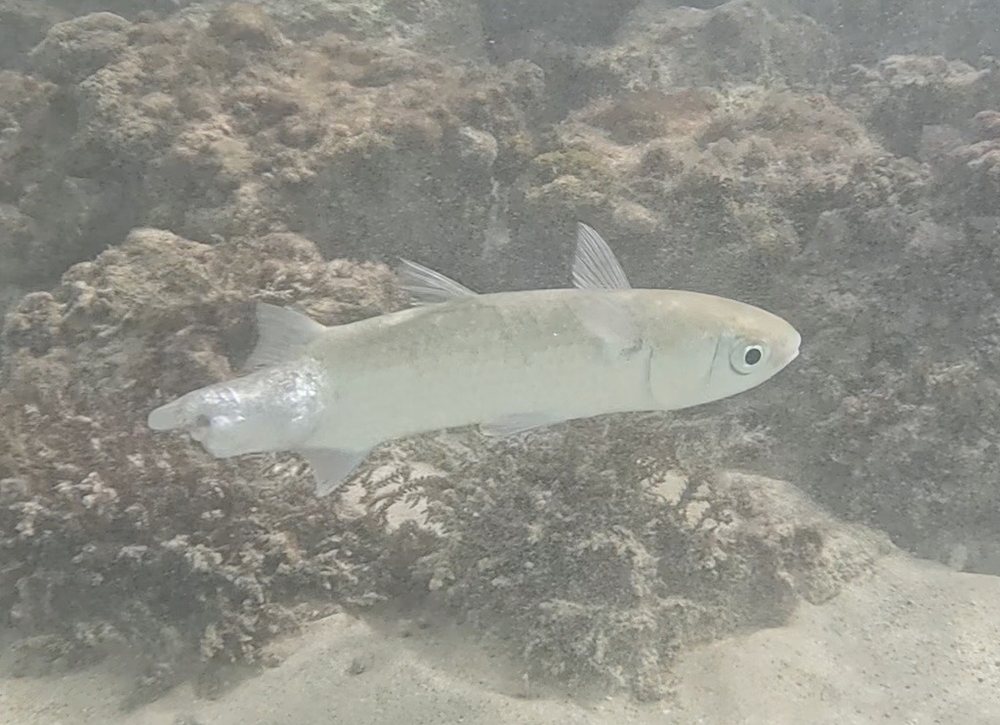
Photo coming soon Mullet A hardy inshore baitfish found in lagoons, bays and river mouths; live finger mullet are a top bait for snook, tarpon and jacks.
How to get it Catch them with a cast net in bays, lagoons and river mouths where legal, or buy them; larger ones can be cut into chunks and strips. Keep it fresh Mullet are tough; a bucket with an aerator or a livewell keeps them alive for hours. Keep cut mullet on ice. How to hook it Hook small mullet through the lips or the back near the tail with a 2/0-5/0 circle hook; use bigger hooks for larger mullet and tarpon. Catches Common snook , Atlantic tarpon , Crevalle jack , Great barracuda , Ladyfish Rigs Fish Finder Rig , Freeline Rig , Balloon Rig 💡 Hook a finger mullet near the tail and it swims away from you, right under the mangroves where the snook live.
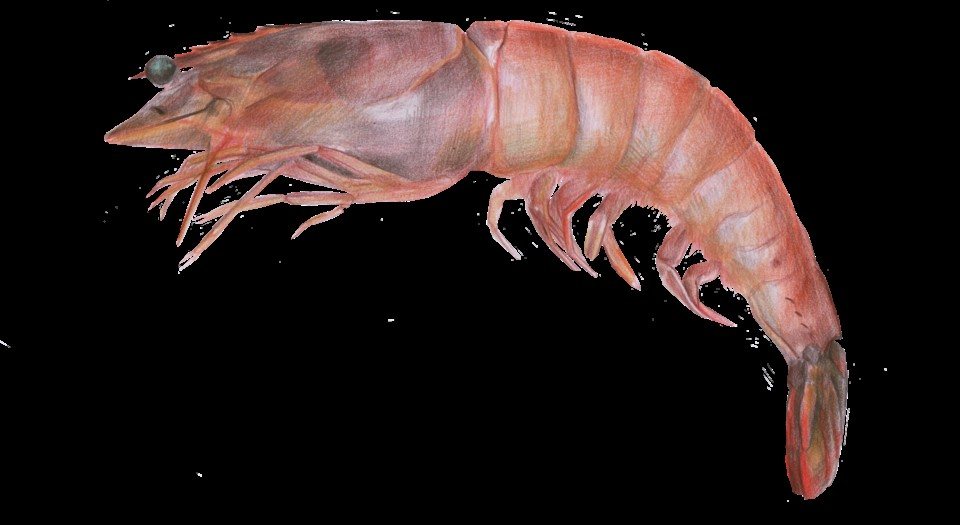
Photo coming soon Live Shrimp Almost every inshore fish eats shrimp, making it the most versatile bait for flats, mangroves, piers and reefs.
How to get it Buy them live at bait shops when available; otherwise fresh or frozen shrimp still catches fish, especially on the bottom. Keep it fresh Keep them in an aerated bucket out of the sun and change some water often; heat and still water kill shrimp fast. How to hook it Hook under the horn on the head (avoid the dark spot, the brain) or thread it through the tail, using a 1/0-3/0 light circle or J hook. Catches Common snook , Grey snapper , Bonefish , Lane snapper , Ladyfish , Atlantic tarpon , Permit Rigs Popping Cork Rig , Freeline Rig , Knocker Rig , Carolina Rig 💡 Pinch off the tail fan before tail-hooking; the scent trail helps fish find it in murky water.
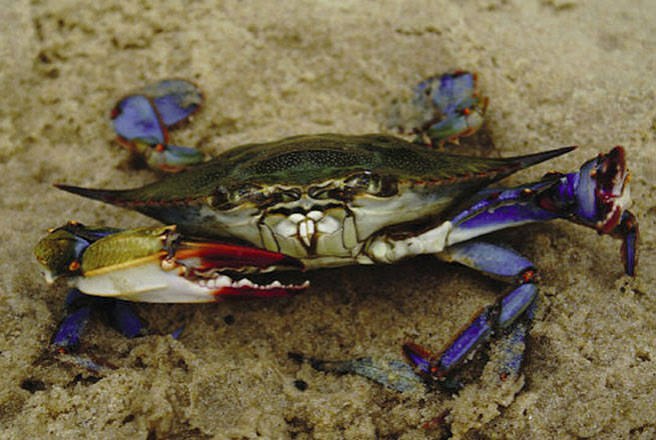
Photo coming soon Small Crabs Small swimming crabs and pieces of blue crab are natural food for permit, tarpon and snapper, and hard for them to pass up.
How to get it Dip-net small swimming crabs drifting on outgoing tides near passes and bridges, or buy crabs; follow DRNA size, season and possession rules. Keep it fresh Keep them in a cool, damp bucket with wet seaweed or a little seawater; don't drown them in deep still water. How to hook it Hook through the corner of the shell from bottom to top with a 1/0-4/0 circle hook; cut bigger crabs in half or quarters with legs on. Catches Permit , Atlantic tarpon , Palometa pompano , Grey snapper , Mutton snapper Rigs Freeline Rig , Fish Finder Rig , Knocker Rig 💡 Snap off the claws on live crabs so they can't grab weeds or pinch your fingers.
Photo coming soon Sand Fleas (Mole Crabs) Small burrowing crabs from the beach wash zone, the natural food and top bait for palometa and pompano in the surf.
How to get it Dig them by hand or with a sand-flea rake where the waves wash back on sandy beaches; look for V-shaped ripples in the receding water. Keep it fresh Keep them in a bucket with damp sand or seaweed, not in water, and out of the sun. How to hook it Hook up through the bottom of the shell and out the top near the tail with a small 1-2/0 circle or pompano hook. Catches Palometa pompano , Florida pompano , Permit Rigs Pompano Rig , High-Low Rig , Fish Finder Rig 💡 Soft, freshly molted fleas are candy for pompano; save those for when the bite gets picky.
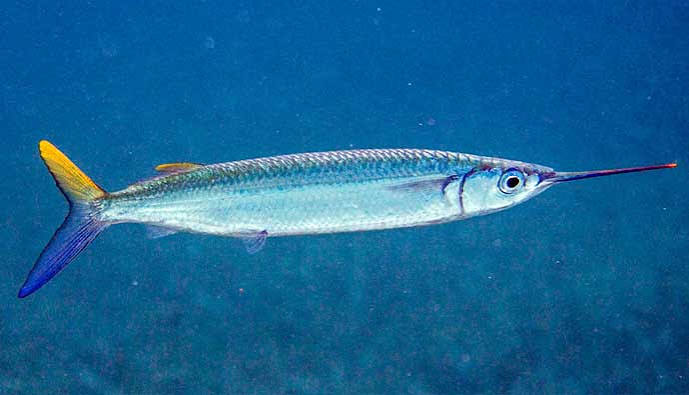
Saltwater natural & rigged bait 3 baits Photo coming soon Ballyhoo A slim halfbeak that is the classic offshore trolling bait, rigged dead to skip and swim, or fished live for big pelagics.
How to get it Most anglers buy them frozen and graded by size; live ones can be chummed up over reefs and caught on tiny hooks or a net where legal. Keep it fresh Keep frozen ones in a cooler with a saltwater-ice brine so they stay firm; thaw only what you need. Live ones need a big, well-aerated livewell. How to hook it Rig dead ballyhoo with a 6/0-9/0 J-hook out the belly and a wire or mono pin through the beak, often under a skirt; live ones are bridled with a circle hook. Catches Mahi-mahi , Wahoo , Blue marlin , King mackerel , Yellowfin tuna , Longbill spearfish Rigs Trolling Ballyhoo Rig , Wire Leader Rig 💡 Gently break the backbone a few times before rigging so the ballyhoo swims naturally instead of spinning.
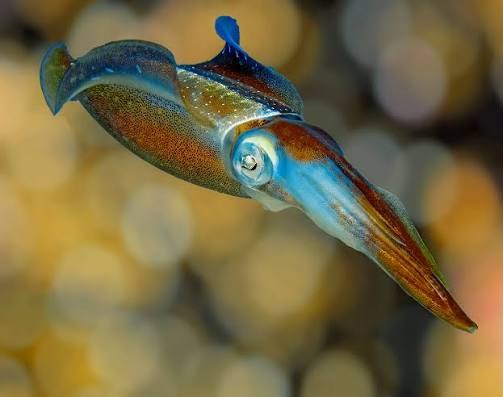
Photo coming soon Squid Tough, scented bait that stays on the hook, used whole or in strips for snapper, grouper, grunts and deep-drop fishing.
How to get it Buy it frozen at bait shops or the market; it can also be caught with squid jigs under lights at night. Keep it fresh Keep it cold on ice in a bag so fresh water doesn't soak it; it stays usable much longer than fish bait. How to hook it Cut strips 2-4 in long and hook once through the wide end so they flutter; use whole squid for big fish, hooked through the head and body. 1/0-6/0 circle hooks. Catches Yellowtail snapper , Lane snapper , Mutton snapper , Red hind , White grunt , Queen triggerfish , Swordfish Rigs High-Low Rig , Two-Hook Bottom Rig , Chicken Rig , Fish Finder Rig , Knocker Rig 💡 Pair a squid strip with a piece of fish on the same hook: the squid stays on and the fish adds scent.
Photo coming soon Cut Bait Chunks and strips of oily fish like bonito, mackerel or sardine that put out a scent trail fish follow to your hook.
How to get it Cut it from your own catch (where legal to use as bait) or buy frozen bonito, mackerel or sardines. Keep it fresh Keep it cold and dry on ice in a bag; cut only what you need so the rest stays firm. How to hook it Hook chunks once through the skin side so the point is exposed; strips through one end so they flutter. 1/0-6/0 circle hooks by fish size. Catches Mutton snapper , Lane snapper , Yellowtail snapper , Red hind , White grunt , King mackerel Rigs Fish Finder Rig , High-Low Rig , Knocker Rig , Chicken Rig 💡 Cut strips thin and tapered like a fish's tail; they flutter in the current and get more bites than square chunks.
Freshwater bait 6 baits Photo coming soon Earthworms The classic freshwater bait: just about every fish in Puerto Rico's reservoirs and rivers will eat a worm.
How to get it Dig them in moist, shady soil or under leaves and logs after rain, or buy them at bait and garden shops. Keep it fresh Keep them in a container with damp soil or bedding, in the shade or a cooler, never in direct sun. How to hook it Thread a piece on a size 6-10 hook for sunfish and tilapia, or hook a whole worm several times on a size 1-4 hook for bass and catfish. Catches Bluegill , Redbreast sunfish , Channel catfish , Mozambique tilapia , Largemouth bass , American eel Rigs Bobber , Slip Bobber , Split Shot , Carolina 💡 For sunfish, use just a small piece that covers the hook; a whole worm dangling off gets stolen.
Photo coming soon Live Minnows Small live baitfish, where legal, are hard for predators like bass, peacock bass and guapote to refuse.
How to get it Check current DRNA rules before catching or using live fish as bait. Where allowed, catch small fish in the same water you fish; never move fish between reservoirs or rivers. Keep it fresh Use a bucket with an aerator, keep it shaded and swap in some water from the lake as it warms. Never dump leftover bait into a different body of water. How to hook it Hook through both lips or just under the dorsal fin with a size 1-2/0 light-wire hook or a small circle hook. Catches Largemouth bass , Butterfly peacock bass , Jaguar guapote , Bigmouth sleeper , Channel catfish Rigs Bobber , Slip Bobber , Split Shot , Carolina 💡 Set the bobber so the minnow swims just above the weeds; it pulls the float around and you can see when a bass is near.
Photo coming soon Crickets & Insects Crickets, grasshoppers and other bugs that fall in the water are natural food for sunfish and an easy bait to fish.
How to get it Catch them in grass and around lights at night, or buy crickets where bait shops or pet stores carry them. Keep it fresh Keep them in a ventilated cricket tube or box with a little food and something moist, out of the sun. How to hook it Slide a thin-wire size 8-10 hook in behind the head and out the body, or through the collar, so it stays alive and kicking. Catches Bluegill , Redbreast sunfish , Mozambique tilapia , Largemouth bass Rigs Bobber , Split Shot 💡 Fish a cricket with no weight right under overhanging bushes; it lands just like a bug falling from the branches.
Photo coming soon Bread, Dough & Corn Simple kitchen baits like bread balls, dough and sweet corn are some of the best ways to catch tilapia and catfish.
How to get it Use plain bread, a flour-and-water dough or canned sweet corn from home or the store. Check local rules before chumming or baiting an area. Keep it fresh Keep dough and corn sealed and cool so they stay firm; a little cotton or flour mixed in helps dough stay on the hook. How to hook it Mold a pea-size ball around a size 8-12 hook for tilapia, or thread 2-3 corn kernels on the hook; use a size 2-1/0 hook with a bigger ball for catfish. Catches Nile tilapia , Blue tilapia , Mozambique tilapia , Channel catfish , Bluegill Rigs Bobber , Hair , Carolina 💡 Tilapia nibble lightly; use a very small hook and a sensitive float, and set at the first steady dip.
Photo coming soon Chicken Liver A soft, bloody, smelly bait that channel catfish find fast, especially at night and in murky water.
How to get it Buy fresh chicken livers at the supermarket or butcher. Keep it fresh Keep it cold on ice; letting it sit in the sun a bit firms it up, but cold liver stays on the hook better. How to hook it Wrap a chunk on a size 1-2/0 hook, threading it through several times; a treble hook or a bit of thread or bait mesh helps it stay on. Catches Channel catfish , American eel , Bluegill Rigs Carolina , Three Way River , Slip Bobber 💡 Cast it gently with a lob; a hard snap cast throws liver off the hook.
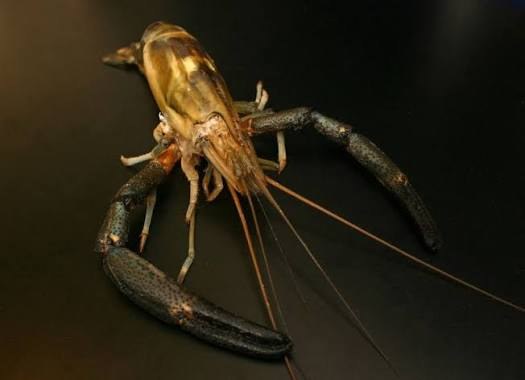
Photo coming soon River Shrimp Freshwater shrimp are natural food in Puerto Rico's rivers and reservoirs, and bass, guapote and sleepers eat them readily.
How to get it Many Puerto Rico river shrimp are protected or regulated; check current DRNA rules before catching or using them as bait. Keep it fresh Keep them in cool, aerated water from the same place, in the shade; don't release leftovers into a different stream. How to hook it Hook under the horn on the head or through the tail with a size 4-1 light-wire hook. Catches Largemouth bass , Bigmouth sleeper , Jaguar guapote , Redbreast sunfish , Channel catfish Rigs Bobber , Slip Bobber , Split Shot 💡 If shrimp are off-limits where you fish, a small soft-plastic shrimp or crawfish does the same job.